
Bangkok Airport Arrival Guide (Step-by-Step)
10/12/2025
Bangkok Transit Guide: BKK & DMK to Islands/Flights
16/12/2025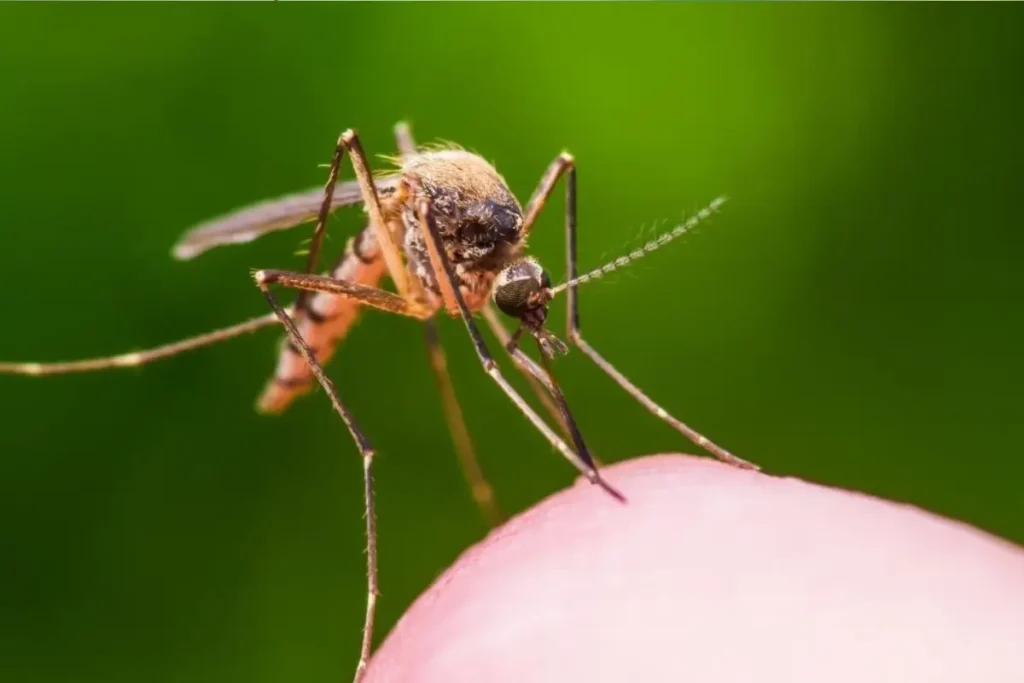
Planning your trip to the Land of Smiles involves checking entry rules, packing your bags, and—crucially—looking after your health. Do you need mandatory vaccines for Thailand? Which ones are highly recommended?
This guide breaks down the essential information, confirms the only required shot, and provides a unique insider tip: how to get high-quality travel vaccines affordably after landing in Bangkok.
⚠️ The Only Mandatory Vaccine for Thailand Entry
For the vast majority of tourists arriving directly from North America, Europe, Australia, or East Asia, there are no mandatory vaccination requirements for entry into Thailand.
However, there is one critical exception based on International Health Regulations:
Yellow Fever Certificate Requirement
A Yellow Fever Vaccination Certificate (ICVP) is required for travelers aged 9 months or older who are:
- Arriving from a country listed by the WHO as having a risk of Yellow Fever transmission.
- Having transited for more than 12 hours through an airport of a country with Yellow Fever risk.
Key takeaway: If your itinerary includes a long layover (e.g., in Brazil, Kenya, or Ethiopia) before landing in Thailand, you must carry proof of vaccination. If you fail to produce the certificate, you may face quarantine or refusal of entry.
✅ Recommended Thailand Travel Vaccines
Even if nothing is mandatory, health authorities strongly recommend travelers be protected against common diseases prevalent in Southeast Asia. We group these into two categories:
Category 1: Standard Protection (Recommended for All Travelers)
These protect against common infections, especially those spread through contaminated food or water, and are recommended regardless of your trip duration.
| Vaccine | How It Spreads | Who Should Get It? |
| Hepatitis A | Contaminated food and water | All travelers (lasts up to 25 years with two doses) |
| Typhoid | Contaminated food and water | Most travelers, especially those visiting smaller cities, rural areas, or eating street food. |
| Routine Boosters | Airborne, Wounds | Ensure your standard Tdap (Tetanus, Diphtheria, Pertussis) and MMR (Measles, Mumps, Rubella) are up-to-date. |
Category 2: Enhanced Protection (Recommended for High-Risk Travel)
These are crucial if you plan extended stays, rural visits, trekking, or have a higher chance of animal exposure.
| Vaccine | How It Spreads | Who Should Get It? |
| Japanese Encephalitis (JE) | Mosquito bites | Long-term travelers (over 1 month) and those spending time in rural, farming, or marshland areas (even for shorter trips). |
| Rabies | Bite/scratch/saliva from infected animals | Long-term stayers and “adventure travelers” (e.g., cyclists, trekkers, children) where immediate medical care may be delayed. |
| Hepatitis B | Blood and bodily fluids | Recommended for long-term travelers, medical workers, or those engaging in high-risk activities. |
💰 The Insider Tip: Getting Vaccines After Landing in Thailand
One of the best-kept secrets for savvy travelers is that you can often get travel vaccines at a high-quality standard and a significantly lower cost at international clinics and hospitals in Bangkok.
Why Vaccinate in Thailand?
- Cost Savings: Vaccines like Japanese Encephalitis and Rabies can cost hundreds of dollars per dose in Western countries. In Thailand, they can be drastically cheaper due to government subsidies on routine vaccines and different pricing structures.
- Quality of Care: Thailand’s internationally accredited (JCI) private hospitals maintain world-class standards, offering specialist Travel Medicine Clinics with English-speaking staff.
- Convenience: For multi-dose vaccines (like Hepatitis B or Rabies pre-exposure series), you can easily get the follow-up shots during your long stay.
Where to Get Your Shots in Bangkok
We recommend using accredited international hospitals that have dedicated travel clinics:
- Bumrungrad International Hospital: Highly popular with foreigners and offers a full range of travel vaccines and counseling.
- Samitivej Hospital: Another JCI-accredited option with a dedicated Vaccination and Travel Medicine Center.
- BNH Hospital (Bangkok Nursing Home): Features an International Travel Medicine Clinic (ITMC) with specialized travel doctors.
- Thai Travel Clinic (Hospital for Tropical Diseases): An excellent, often more affordable option run by Mahidol University, specializing in tropical illnesses.
Note on timing: Vaccines do not provide instant immunity. If you need coverage before you depart, you must get your shots at least 4-6 weeks before your trip to allow your body to build up immunity. Getting them in Thailand is an excellent option for long-term or follow-up doses.
🚨 Other Major Health Risks (No Vaccine Available)
Some of the most common health threats in Thailand have no vaccine, making personal protection essential:
Dengue Fever & Chikungunya
These are viral infections spread by daytime-biting mosquitoes, particularly in urban areas. They cause flu-like symptoms, and Dengue can lead to severe illness.
- Prevention is key: Use high-quality insect repellent (containing DEET or Picaridin) throughout the day, wear light-colored clothing, and stay in accommodations with air conditioning or mosquito netting.
Malaria
The risk of Malaria is very low in major tourist areas like Bangkok, Phuket, Chiang Mai, and Ko Samui. The risk is mainly confined to remote, forested areas near the international borders with Myanmar, Cambodia, and Malaysia.
- Prevention: If your itinerary includes high-risk, remote trekking or border regions, consult a travel clinic for advice on anti-malarial prophylaxis. Otherwise, basic mosquito avoidance is sufficient for city and beach destinations.
TDAC Quick Tip
While the TDAC (Thailand Digital Arrival Card) is purely an immigration document, taking care of your health beforehand ensures your arrival is as smooth as possible. Always carry a digital or physical copy of your International Certificate of Vaccination or Prophylaxis (ICVP), just in case any questions arise at the border regarding the Yellow Fever requirement.